The evolution of gambling tracing the historical roots of risk and reward
The Ancient Beginnings of Gambling
The roots of gambling can be traced back thousands of years to ancient civilizations, where games of chance were often linked to religious or spiritual practices. The earliest known forms of gambling emerged in China around 2300 BC, with simple games involving dice. These games not only served as entertainment but also played a role in divination and decision-making, highlighting the intersection of risk and reward in early societies. This foundational aspect of gambling as a means to connect with fate set a precedent that still resonates today. In this context, platforms like https://mandarinpalacecasino.co.uk/ offer modern gaming experiences that echo these ancient traditions.
Similarly, in ancient Rome, gambling was ingrained in the culture, with citizens participating in games that involved betting on chariot races and gladiatorial contests. The Romans embraced gambling as a form of social interaction, often wagering on the outcomes of events that thrilled the masses. The use of betting in this context illustrates how gambling transcended mere chance, evolving into a communal activity steeped in excitement and risk. As such, it laid the groundwork for modern gambling practices.
As civilizations advanced, so too did the complexity of gambling games. The introduction of playing cards in the 9th century, likely originating from China, marked a significant evolution. By the time these cards reached Europe, they had transformed into various games that incorporated skill and strategy alongside luck. This shift demonstrated a growing understanding of the nuances of risk, prompting individuals to develop techniques and strategies that would enhance their chances of winning.
The Rise of Formal Gambling Establishments
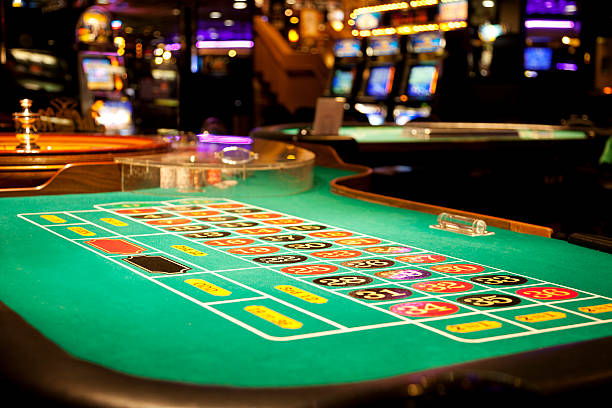
The 17th and 18th centuries heralded a new era for gambling, marked by the establishment of formal gambling houses in Europe. The first official casinos emerged in Italy, with the Casinò di Venezia opening its doors in 1638. These establishments offered a range of games, including roulette and faro, which became immensely popular. This era witnessed gambling transitioning from informal settings to dedicated venues, reflecting society’s acceptance and fascination with the thrill of risking money for the potential of greater rewards.
During this period, gambling began to be regulated by law, with governments recognizing the potential for tax revenue. This regulation led to the development of fair play standards and the establishment of rules that ensured the integrity of games. The emergence of casinos not only provided structured environments for gambling but also fostered social interaction among patrons, creating a vibrant community around gaming. The evolution of gambling houses marked a significant shift, where the allure of risk became intertwined with a social experience.
The 19th century saw the spread of gambling to the United States, particularly during the Gold Rush and the establishment of frontier towns. Here, gambling became a staple of life, often viewed as a means of quick fortune. The Wild West era, characterized by saloons and card games, highlighted the appeal of risk-taking in American culture. This convergence of gambling and frontier life reinforced the idea that risk could lead to substantial rewards, further embedding gambling into the societal fabric.
The Modern Era and Technological Advances
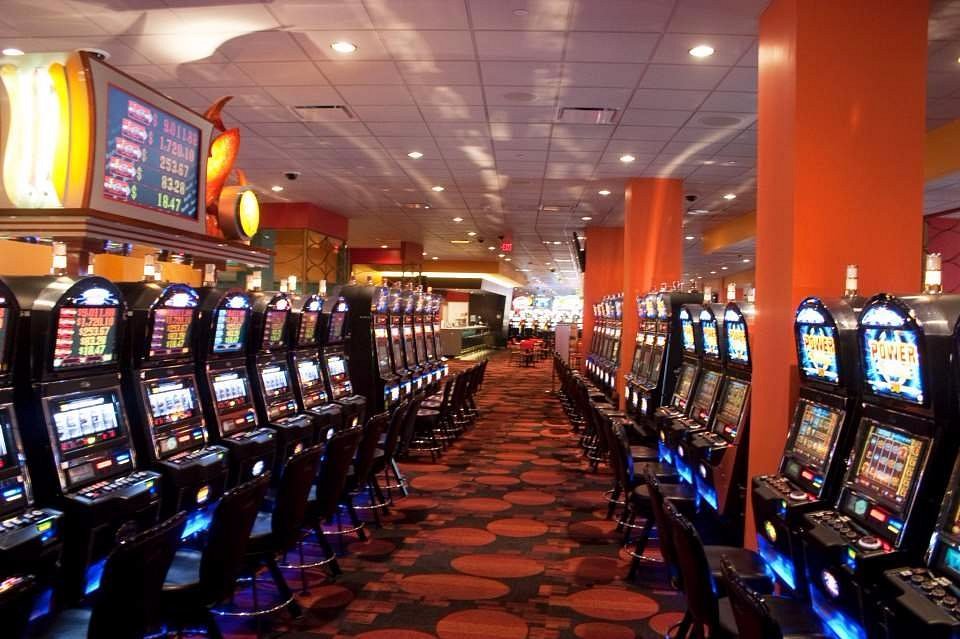
The 20th century marked a profound transformation in gambling due to technological advancements and changing societal attitudes. The introduction of slot machines in the late 19th century revolutionized gambling by making it accessible to a broader audience. These machines, which operated on a simple principle of chance, created an entirely new avenue for risk and reward. As their popularity soared, they became a staple in bars and eventually in dedicated gambling establishments, setting the stage for the rise of the modern casino.
In the latter half of the century, the legalization of gambling in several U.S. states spurred a massive expansion of the industry. Las Vegas emerged as the gambling capital, offering elaborate casinos that combined luxury with entertainment. The glitz and glamour of these venues attracted millions, underscoring the appeal of gambling as a leisure activity. With the introduction of sophisticated marketing strategies, casinos began to target not just risk-takers but also families seeking entertainment, thereby broadening the demographic of gamblers.
The advent of the internet at the end of the 20th century ushered in a new age of gambling. Online casinos offered unprecedented accessibility, allowing individuals to partake in games from the comfort of their homes. The rise of mobile gambling further propelled the industry, enabling players to gamble anytime and anywhere. This evolution has not only changed how people engage with gambling but has also raised discussions about responsible gaming and the implications of easy access to risk-taking activities.
Celebrity Influence and Cultural Perception of Gambling
As gambling became entrenched in popular culture, the influence of celebrities played a pivotal role in shaping public perceptions. High-profile figures often associated with gambling, such as poker champions or stars seen in lavish casinos, glamorized the activity. This cultural fascination with celebrity gamblers not only highlighted the allure of risk but also provided a modern narrative that framed gambling as an exciting lifestyle choice. Stories of extraordinary wins or devastating losses captivated audiences, illustrating the unpredictable nature of risk and reward.
The portrayal of gambling in film and television further entrenched its place in society. Movies like “Casino Royale” and series such as “Poker After Dark” showcased the thrill and high stakes associated with gambling. These representations often emphasized the tension between risk and reward, drawing audiences into the dramatic narratives of chance and skill. This portrayal contributed to a perception of gambling as an integral part of modern entertainment, making it more appealing to a wider audience.
Furthermore, celebrity endorsements and appearances at major gambling events have solidified the connection between fame and gaming. High-stakes poker tournaments featuring celebrities attract significant media attention, generating buzz and elevating the status of the events. This phenomenon underscores how the relationship between risk and reward extends beyond monetary gains to include social capital and public recognition, further complicating the dynamics of gambling.
Online Gambling Today and Its Future
In today’s digital age, online gambling has emerged as a significant player in the industry, transforming how people engage with games of chance. Online platforms offer a diverse array of gaming options, from traditional table games to innovative slot machines, all accessible at the click of a button. This convenience has attracted millions worldwide, demonstrating a shift in consumer behavior towards more flexible gambling experiences. The rapid growth of online casinos has reshaped the gambling landscape, providing opportunities and challenges alike.
The rise of online gambling has also prompted discussions around regulation and responsible gaming practices. As players navigate the vast online landscape, concerns regarding fairness and security have become paramount. Reputable platforms prioritize player safety, implementing stringent measures to protect personal and financial information. Moreover, initiatives promoting responsible gambling have emerged, emphasizing the importance of understanding risk and making informed decisions. These measures aim to create a sustainable environment for players while fostering a positive relationship with gaming.
The future of gambling is poised to evolve further with the integration of technology such as virtual reality and blockchain. These advancements promise to enhance the user experience, creating immersive environments that replicate the thrill of in-person gambling. As the industry adapts to these technological changes, the essence of risk and reward will continue to be at the forefront, maintaining gambling’s intrinsic allure in an ever-evolving landscape.